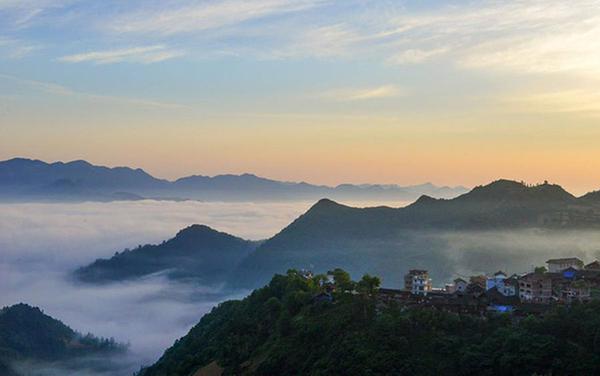
Yunnan-Guizhou Plateau
Introduction
The Yunnan-Guizhou Plateau is a prominent geographical region in southwestern China, spanning the provinces of Yunnan and Guizhou provinces, along with parts of neighboring regions. Covering an area of approximately 500,000 square kilometers, this plateau is an essential part of China's topography, showcasing a unique combination of karst landscapes, river valleys, and cultural diversity. The elevation of the plateau ranges from 1,000 to 2,500 meters above sea level, making it one of the country's most distinctive highland regions.
Geological Characteristics
The Yunnan-Guizhou Plateau is renowned for its diverse geological formations. It predominantly consists of limestone and dolomite rocks, which have undergone extensive weathering and erosion over millions of years. These processes have resulted in the development of karst landscapes, characterized by features such as sinkholes, caves, and underground rivers. Notable karst formations include the Stone Forest (Shilin) in Yunnan province, a UNESCO World Heritage Site, and Libo Karst in Guizhou, another UNESCO-listed area.
Seismic activity is also a significant feature of the region due to its location near tectonic plate boundaries. Rivers such as the Lancang (Mekong) and Wujiang carve deep gorges through the plateau, contributing to its dramatic scenery and supporting diverse ecosystems.
Climate and Biodiversity
The plateau experiences a subtropical highland climate, with mild temperatures, distinct wet and dry seasons, and significant rainfall, particularly in the summer months. These climatic conditions, coupled with varied elevations, create a rich environment for biodiversity.
The area is home to numerous plant and animal species, many of which are endemic. Iconic species include the Yunnan golden monkey and black-necked crane. The plateau's forests range from tropical rainforests in lower elevations to temperate broadleaf and mixed forests at higher altitudes, providing critical habitats for wildlife.
Cultural Diversity and Heritage
The Yunnan-Guizhou Plateau is one of the most culturally diverse regions in China, with a rich tapestry of ethnic groups, including the Yi, Miao, Bai, and Dong communities. These groups have preserved their unique languages, customs, and traditions, contributing to the vibrant cultural landscape of the region. Traditional festivals such as the Torch Festival of the Yi people and the Lusheng Festival of the Miao are celebrated with music, dance, and elaborate costumes, attracting both domestic and international visitors.
The region is also known for its ancient history and archaeological significance. Sites such as the Dali Kingdom's capital in Yunnan and the ancient Dian culture's bronze artifacts reflect its historical importance.
Agriculture is a cornerstone of life on the Yunnan-Guizhou Plateau, with the region's fertile soil and diverse climate supporting a wide range of crops. Rice, maize, and tobacco are the primary staples, while specialty products like Pu'er tea and medicinal herbs contribute significantly to the local economy. The terraced fields, particularly in Yunnan province, not only provide sustenance but have also become a major tourist attraction due to their breathtaking beauty.








